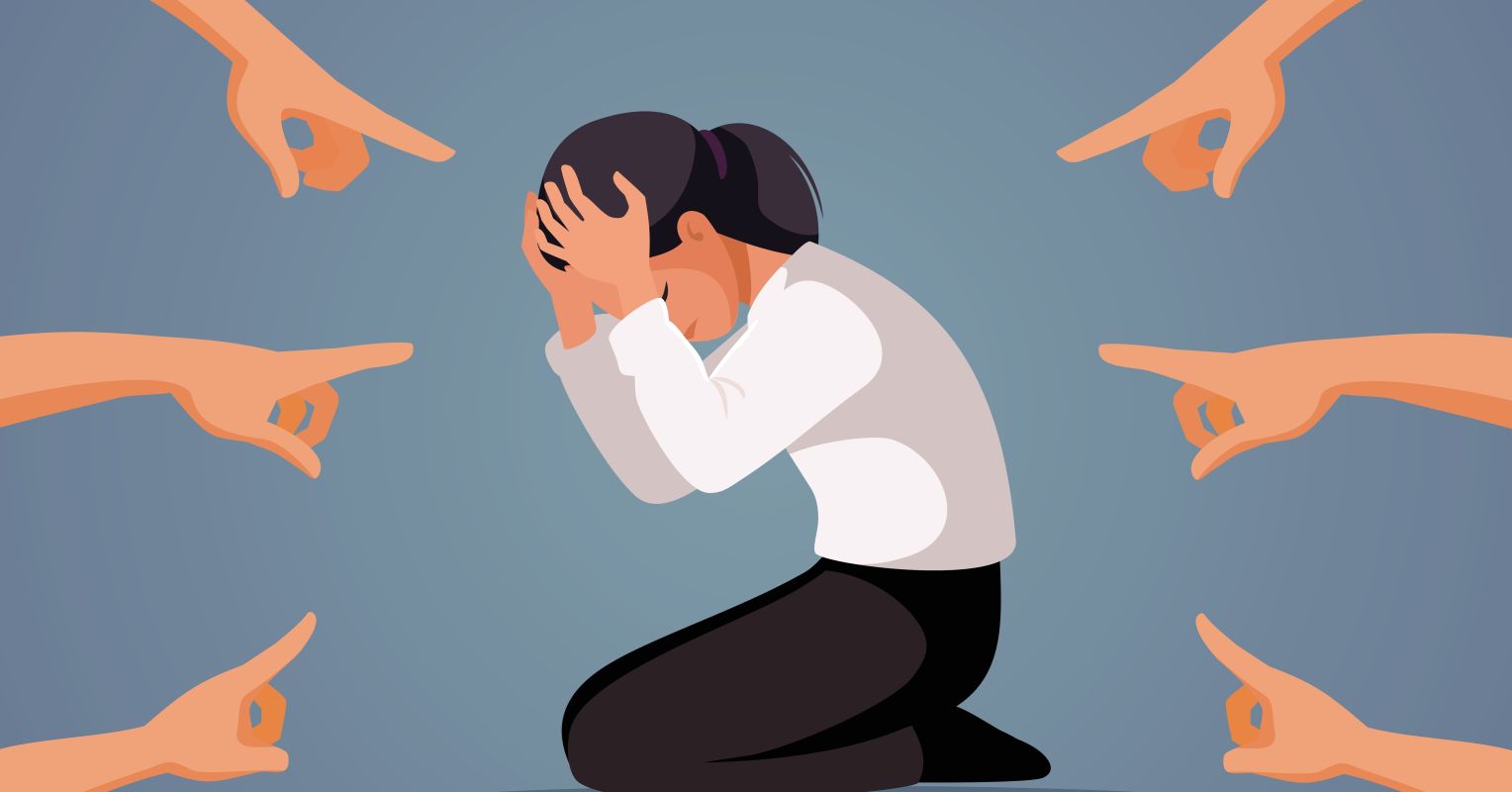
The bond of friendship is one of life's most cherished connections, built on trust, shared experiences, and mutual support. It's a relationship we expect to bring joy and comfort, not sorrow or tragedy. Yet, a disturbing reality exists where arguments between friends, meant to be resolved or endured, tragically escalate to a fatal degree. The concept of a friend argument death is jarring, forcing us to confront the fragility of human temper and the devastating consequences of unchecked rage.
In recent times, news reports have highlighted harrowing incidents where seemingly innocuous disputes among companions have spiraled into unimaginable violence, resulting in one friend taking the life of another. These cases, often characterized by sudden impulses and the presence of readily available weapons, shatter families and communities, leaving behind a trail of grief, regret, and unanswered questions. Understanding the underlying factors that contribute to such horrific outcomes is crucial, not only for prevention but also for fostering healthier ways to manage conflict within our most intimate relationships.
The Alarming Reality of Friend Argument Fatalities
The stories are chillingly similar in their tragic finality, even if the specifics vary. A casual gathering, a shared drink, a disagreement over trivial matters—and then, suddenly, a life is irrevocably lost. From a man trying to caution his inebriated friend at a party, leading to a fatal stabbing, to a heated scuffle between roommates ending with a knife in the neck, and an argument over liquor culminating in blunt force trauma from a stone, the pattern of sudden, lethal escalation is undeniable. These aren't premeditated acts of malice in most cases; rather, they are often impulsive explosions of rage that underscore the dangers of allowing emotions to override reason.
The instances where a friend argument death occurs are not isolated anomalies. They represent a darker side of human interaction, reminding us that even the closest relationships are vulnerable to the destructive power of uncontrolled anger and poor conflict resolution skills. The shock experienced by eyewitnesses, landlords, and family members alike speaks volumes about the unexpected nature of such violence, where the very person someone trusted turns into their assailant.
Anatomy of Escalation: What Turns Words into Violence?
What drives an argument between friends to such a horrific extreme? While each case is unique, several common threads often weave through these narratives of tragedy. Understanding these factors can shed light on the dangerous path from verbal dispute to physical assault and, ultimately, to a fatal outcome.
Substance Abuse: A Dangerous Catalyst
One of the most frequently cited contributors to escalating disputes is the consumption of alcohol or other intoxicating substances. As seen in multiple incidents, intoxication can significantly impair judgment, lower inhibitions, and heighten aggressive tendencies. What might otherwise be a minor disagreement can quickly become an unmanageable confrontation when individuals are under the influence. The ability to reason, empathize, and control impulses diminishes, making it easier for words to turn into shoves, and shoves into life-threatening violence.
Unresolved Tensions and Underlying Issues
Often, an argument that escalates to violence isn't just about the immediate trigger. Instead, it can be the culmination of long-standing, unresolved tensions within the friendship. Jealousy, resentment, financial disputes, perceived slights, or unspoken grievances can simmer beneath the surface, waiting for an opportune moment—like a heated argument—to erupt. The 'final straw' might appear minor, but it's the weight of accumulated frustration and anger that truly tips the scales towards aggression.
Ego, Pride, and Loss of Control
The human ego plays a significant role in how we handle conflict. In the heat of an argument, the desire to 'win,' to save face, or to assert dominance can override common sense. When one friend feels disrespected, challenged, or threatened, a defensive reaction can quickly spiral into an aggressive one. The inability to back down, apologize, or simply walk away can lead to a dangerous power struggle, where emotions dictate actions, often with catastrophic consequences.
Accessibility of Weapons and Impulse
The presence of a readily available weapon can dramatically alter the outcome of a heated dispute. In many cases of friend argument death, the weapon used—be it a kitchen knife, a bottle, or even a large stone—was not brought with malicious intent but was simply within reach during a moment of rage. This impulsive grab, fueled by anger and impaired judgment, transforms a verbal or physical altercation into a potentially lethal situation. The speed with which an ordinary object can become a murder weapon highlights the critical importance of de-escalation before such a point is reached. To explore further, read about Tragic Outcomes: When Friend Arguments Lead to Death.
Identifying Warning Signs and Practicing De-escalation
While the suddenness of these fatal incidents is often shocking, there are usually underlying patterns and behaviors that, if recognized and addressed, could prevent such tragedies. Learning to identify warning signs and practicing effective de-escalation techniques are vital skills for maintaining healthy friendships and personal safety.
Recognizing Red Flags in Friendship Dynamics
Healthy friendships are characterized by mutual respect, open communication, and the ability to resolve conflicts constructively. Red flags that might indicate a friendship is becoming toxic or potentially dangerous include:
- Frequent and Intense Arguments: If arguments are a regular occurrence and consistently escalate quickly, it’s a sign of underlying issues.
- Verbal Abuse and Personal Attacks: When disagreements devolve into insults, threats, or name-calling, respect has eroded.
- Uncontrolled Anger: Observe how a friend handles anger. Do they often lose their temper, become physically agitated, or throw things?
- Substance-Fueled Aggression: If a friend consistently becomes aggressive or violent when under the influence, it's a serious warning.
- Lack of Empathy or Remorse: A friend who shows little regret for hurting your feelings or displays a consistent lack of understanding can be problematic.
Strategies for De-escalation in the Moment
If you find yourself in a heated argument that feels like it’s getting out of control, these strategies can help de-escalate the situation:
- Take a Break: Suggest taking a pause. "Let's both cool down and talk about this later when we're calmer." Physically remove yourself from the immediate vicinity if possible.
- Lower Your Voice: Yelling only fuels the fire. Speak calmly and softly, even if the other person is shouting. This can sometimes diffuse the tension.
- Avoid Personal Attacks: Stick to the issue at hand. Do not resort to insults or bringing up past grievances that are unrelated.
- Active Listening (If Possible): Try to understand their perspective, even if you disagree. Sometimes, simply feeling heard can reduce anger.
- Set Boundaries: Clearly state what you will and will not tolerate. "I'm willing to discuss this, but I won't be yelled at."
- Seek Help: If you feel unsafe, call for help from other friends, family, or authorities. Do not hesitate to prioritize your safety.
When to Walk Away Permanently
While friendships are worth fighting for, some are simply too toxic or dangerous to maintain. If a friend consistently exhibits violent tendencies, threatens harm, or causes you to fear for your safety, it's crucial to consider ending the friendship. Your well-being and life are paramount. Recognizing these fatal arguments is essential, and understanding Recent Cases of Friends Killing Friends can offer further insights into their devastating impact.
The Profound Aftermath: Legal, Social, and Emotional Consequences
A friend argument death leaves a wake of devastation far beyond the immediate incident. The consequences ripple through the lives of all involved, creating irreversible changes and lasting pain.
Legal Ramifications
For the perpetrator, the legal consequences are severe and life-altering. What might have started as a moment of uncontrolled anger quickly escalates into charges of culpable homicide or murder. This leads to arrest, extensive investigation by law enforcement, and a rigorous prosecution process. Conviction can result in lengthy prison sentences, irrevocably changing the course of their life and the lives of their families.
Community and Family Impact
The families of both the victim and the perpetrator are shattered. The victim's family endures unimaginable grief, struggling to comprehend such a senseless loss, especially at the hands of someone their loved one considered a friend. For the perpetrator's family, there's the dual burden of shock, shame, and the pain of seeing their loved one face severe legal repercussions. Communities, too, are deeply affected, grappling with the erosion of trust and the unsettling realization that violence can erupt even within the closest social circles.
Psychological Toll
Beyond the legal and social ramifications, the psychological toll is immense. Witnesses, neighbors, and first responders often experience trauma. For the perpetrator, if they realize the gravity of their actions after the fact, the guilt and regret can be overwhelming, leading to severe mental health challenges. For the loved ones of the deceased, the trauma of loss is compounded by the betrayal of friendship, leading to prolonged grief, anger, and a struggle to find closure.
The phenomenon of friend argument death serves as a stark reminder that violence can manifest in unexpected ways, even within relationships presumed to be safe and loving. While no single solution can eradicate such tragedies, a collective emphasis on developing stronger conflict resolution skills, promoting emotional intelligence, recognizing the dangers of substance abuse, and understanding when to disengage from toxic situations can contribute significantly to preventing these devastating outcomes. It compels us to reflect on the nature of our friendships, urging us to cultivate spaces of mutual respect and understanding, where disagreements can be navigated without ever reaching the point of irreparable harm.